uriroig
← Blog

News5 November 2026 · 4 min read

Chip shares fall amid doubts over AI

Chip and AI shares fall after the US elections and results from Qualcomm and Arm. What lies behind it and what changes for a Spanish small business.

URUri Roiguriroig.es
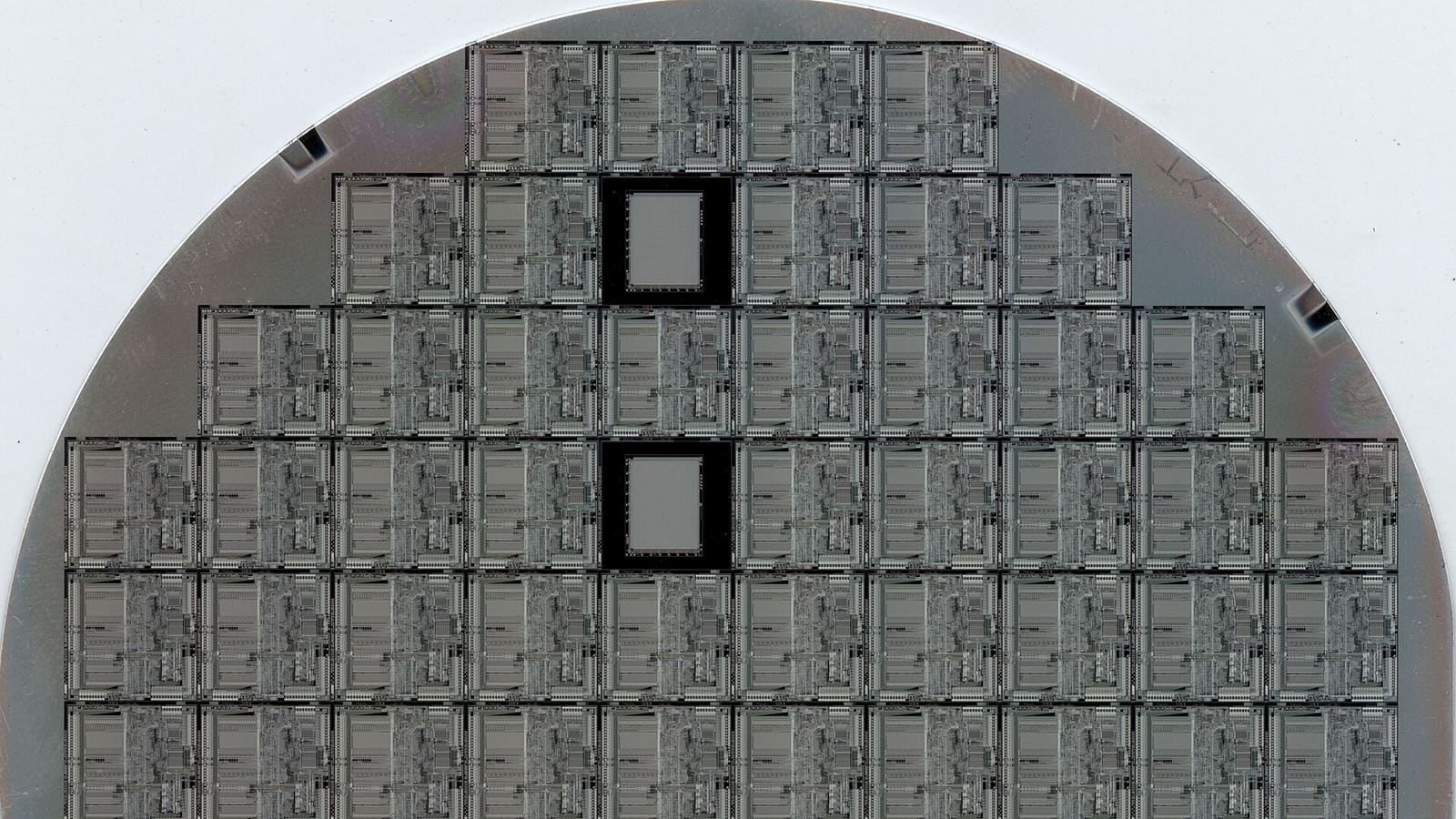
Oblea de silicio con decenas de chips idénticos, la materia prima de la industria de semiconductores
📷 Retro-Computing Society of Rhode Island · CC BY-SA 4.0 · Wikimedia Commons
UR

I build websites, custom software, apps and AI automations for businesses.

  • ✓Fixed-price quote
  • ✓Reply within 24h
  • ✓No commitment
Get a free quote→
In this article
  1. What has happened
  2. Why it matters
  3. What it means for a Spanish small business
  4. What you can do now

While the Dow Jones rose sharply after the US midterm elections, chip and AI infrastructure companies moved the other way. Between Wednesday 4 and Thursday 5 November, the falls spread from Wall Street to South Korea and Japan, and the question of whether the AI boom is cooling has become a talking point again.

What has happened

  • Wednesday 4 November: the Philadelphia semiconductor index, which groups the main US chip companies, fell 3.1% to its lowest level in six months, on the same day the Dow Jones rose by around 3%.
  • Thursday 5 November: in Seoul, SK hynix fell by more than 7% and Samsung Electronics by more than 5%. They are the two big makers of the memory used by AI servers. In Tokyo, companies in the sector such as Kioxia and Advantest also dropped sharply.

The media point to two causes that add up:

  1. The election result. The Democrats have won control of both houses of Congress, which they will take up in January. Investors fear more oversight of AI and more obstacles to building data centres, an issue that weighed on the campaign. Even so, no specific law has been announced, and analysts quoted in the press consider a national moratorium unlikely.
  2. Chip company results. The accounts and forecasts from Qualcomm and Arm failed to convince the market, and revived concern about demand for mobile phones, the rising price of memory and the profitability of the huge investments in AI.


Why it matters

Chip shares work as a thermometer for global AI spending: if investors believe fewer data centres will be built, they sell first the companies that make their components. This week a political doubt (more regulation in the US) has mixed with an economic one (when such large investments will turn a profit). That the fall coincides with a general rise on the stock market suggests it is not widespread panic, but a revision of expectations for one specific sector.

It is best not to jump to conclusions: a fall lasting a few days does not by itself change the orders that have already been signed, nor the real use of AI in businesses.

What it means for a Spanish small business

Your business does not buy memory chips or build data centres, but it does pay for computers, cloud services and AI tools. All of that depends on this chain.

Example: an accountancy firm that plans to replace its computers and server next year. The rising price of memory is one of the factors the financial press is citing these days. Asking for quotes in good time and comparing several options is more useful than trying to guess whether prices will fall or rise.

Example: an online shop that uses an AI-based customer service chatbot. Your service is not going to switch off because of what happens on the Seoul stock exchange, but the cost of computing is what ends up setting the prices of these services. If you know how much you pay per conversation handled, you will be able to spot a rise or a cut in time and react.

Example: a logistics company that was thinking about an AI project to plan routes and has put it off "to see what happens with the bubble". Share price volatility does not tell you whether that project pays off. What does is whether it solves a specific problem with a measurable saving. A small pilot with clear objectives is more reliable than any stock market headline.

Example: a small business that stores customer data on servers in the United States. If more regulation of data centres arrives there, it is likely to affect mainly where and when new facilities are built. For you, the practical question is still the same as ever: knowing which region your information is hosted in and making sure the processing complies with the GDPR (RGPD in Spain).

Example: a shop that depends on a single platform for everything (website, payments, AI). In a sector that changes so fast, having your data exportable and your processes documented lets you switch provider if its terms get worse.

What you can do now

  1. Do not change your plans because of one week on the stock market. Decide on technology projects by the problem they solve.
  2. Plan equipment purchases ahead of time and ask for more than one quote.
  3. Measure what AI and the cloud cost you per task or per month, so you notice any change in prices.
  4. Check where your data is hosted and what the provider's contract says.
  5. Start small: a limited pilot reduces the risk, bubble or no bubble.

If you want to apply AI in your business with measurable objectives, we can look at it within artificial intelligence and automation. And if you need a tool of your own that does not depend on a third party's terms, we also build bespoke software.

Do you have a process you think could be automated? Tell us about your case and we will reply within 24 hours.

Sources

This article is for information only and is not investment advice.

What do manual tasks cost you?FreeWork out in a minute the hours and money you lose each year and what you could win back.
Share itLinkedInWhatsAppX
UR

Written by

Uri Roig

Technical consultant and developer with more than 10 years of programming. I help small businesses grow their revenue with websites, custom software, apps and AI automation, from Matadepera (Barcelona).

+34 662 23 19 83 · WhatsApp

Keep reading

Free quote · reply within 24h

Tell me about your case

Tell us what you need and within 24h you'll have a fixed-price estimate. No commitment.

Step 2 of 2

Your details

By submitting you agree that we may contact you about your request. See privacy.