uriroig
← Blog

News16 November 2026 · 4 min read

Mandatory e-invoicing in Spain: dates and who it affects

B2B e-invoicing in Spain now has dates in the BOE: October 2027 and 2028. Who it affects, what changes and what to do with your invoicing software.

URUri Roiguriroig.es
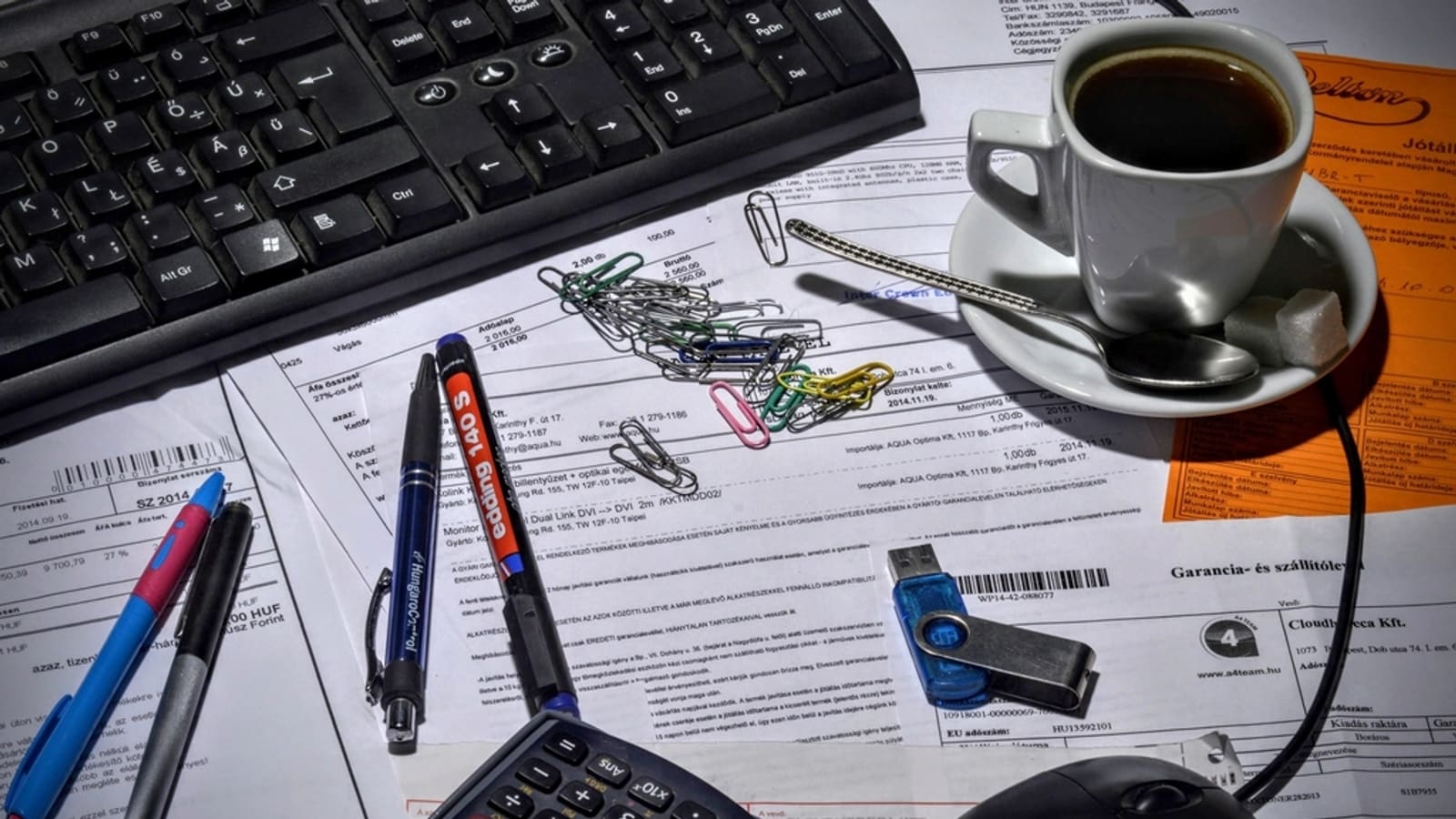
Facturas en papel sobre una mesa junto al teclado, la calculadora y el ratón
📷 autor desconocido · CC0 · Rawpixel
UR

I build websites, custom software, apps and AI automations for businesses.

  • ✓Fixed-price quote
  • ✓Reply within 24h
  • ✓No commitment
Get a free quote→
In this article
  1. What has been approved
  2. Who it affects
  3. What changes in practice
  4. What about Verifactu?
  5. What to do now

After Verifactu comes the second big invoicing obligation in Spain: mandatory e-invoicing between businesses and self-employed people, introduced by the Crea y Crece (Create and Grow) Act. It was discussed for years without dates, but now it has them: Order HAC/1028/2026, published in the BOE (Spain's official gazette) on 5 October 2026, started the countdown.

What has been approved

The obligation is set out in Royal Decree 238/2026 of 25 March. Its deadlines, however, only started running once the order regulating the tax agency's tool was approved, and that order came into force on 6 October 2026. From that day, the dates are:

Who Issue and receive e-invoices Report status (payment, rejection)
Businesses and self-employed people with turnover of more than €8 million in the previous year 6 October 2027 6 October 2027
Companies and other entities with €8 million or less 6 October 2028 6 October 2028
Self-employed people and joint ownerships with €8 million or less 6 October 2028 6 October 2029

During their first year, large businesses will have to send a readable PDF with each e-invoice, unless the customer agrees to receive it without one.

Want to know what applies to you in a minute? We have built a free e-invoicing checker: 5 questions and it tells you your dates and what to do.
Who it affects

  • Businesses and professionals that have to issue invoices, when the customer is another business or a self-employed person established in Spain.
  • Not sales to consumers documented with receipts or simplified invoices. Note: if a business customer asks for a simplified invoice with their details so they can deduct it (what the regulation calls a qualified simplified invoice), that one will have to be electronic.
  • The rules include a few very specific sector exclusions, and allow the Ministry of Economy to exclude other transactions temporarily if a sector has serious difficulty adapting.
  • It also applies in the Basque Country and Navarre, but the connection with the tax agency will run through agreements with the regional tax authorities.

And something many people miss: even if you only sell to consumers, it affects you as a recipient. Your suppliers will send you e-invoices, and you will need to be able to receive them and report when you pay them.

What changes in practice

  1. No more emailed PDFs for invoices between businesses. The invoice will have to be a structured electronic document that software can read without anyone retyping it.
  2. Two ways to send it: a private e-invoicing platform or the Spanish Tax Agency's public solution, which will be free and include a form for creating invoices. The two can also be combined.
  3. The tax agency will receive a copy of every invoice. Anyone not using the public solution will have to send it a true copy of each invoice at the moment it is issued.
  4. Invoice status. Whoever receives an invoice will have to report whether they reject it, its due date and the date it is paid in full. The law's stated aim is to reduce late payment: the tax agency will know who pays late.

What about Verifactu?

They are two separate obligations that add up. Verifactu ensures that the software you invoice with records each invoice in a way that cannot be tampered with. E-invoicing governs how the invoice is sent to another business and how its payment is reported. The same software will have to comply with both; in fact, the e-invoice format includes a field for the Verifactu QR code. If you still do not know how Verifactu affects you, there is also our Verifactu checker.

What to do now

  • If you invoice business customers with Word, Excel or by hand: you will need to move to software with e-invoicing, or use the tax agency's free tool once it is available (the rules say it will be running at least two months before the first deadline).
  • If you use invoicing software or an ERP: ask your provider in writing how and when it will issue, send and receive e-invoices.
  • If you invoice from custom software or your online shop: it needs adapting so that it creates the e-invoice, sends the copy to the tax agency and records payments and rejections. Better to do it together with Verifactu than twice.
  • Review how you receive supplier invoices today. If they arrive by email and someone retypes them, this is a good moment to automate it.

We adapt custom software, ERPs and online shops for e-invoicing and Verifactu, or help you connect software that already supports it. Tell us how you invoice and we will reply within 24 hours.

General information only, not tax advice. For your specific case, check with your accountant.

What do manual tasks cost you?FreeWork out in a minute the hours and money you lose each year and what you could win back.
Share itLinkedInWhatsAppX
UR

Written by

Uri Roig

Technical consultant and developer with more than 10 years of programming. I help small businesses grow their revenue with websites, custom software, apps and AI automation, from Matadepera (Barcelona).

+34 662 23 19 83 · WhatsApp

Keep reading

Free quote · reply within 24h

Tell me about your case

Tell us what you need and within 24h you'll have a fixed-price estimate. No commitment.

Step 2 of 2

Your details

By submitting you agree that we may contact you about your request. See privacy.