uriroig
← Blog

News25 October 2026 · 5 min read

Verifactu: only one mode per business activity

Spain's tax agency has clarified that Verifactu modes cannot be mixed within one activity, even if a client invoices for you. What it means and what to check.

URUri Roiguriroig.es
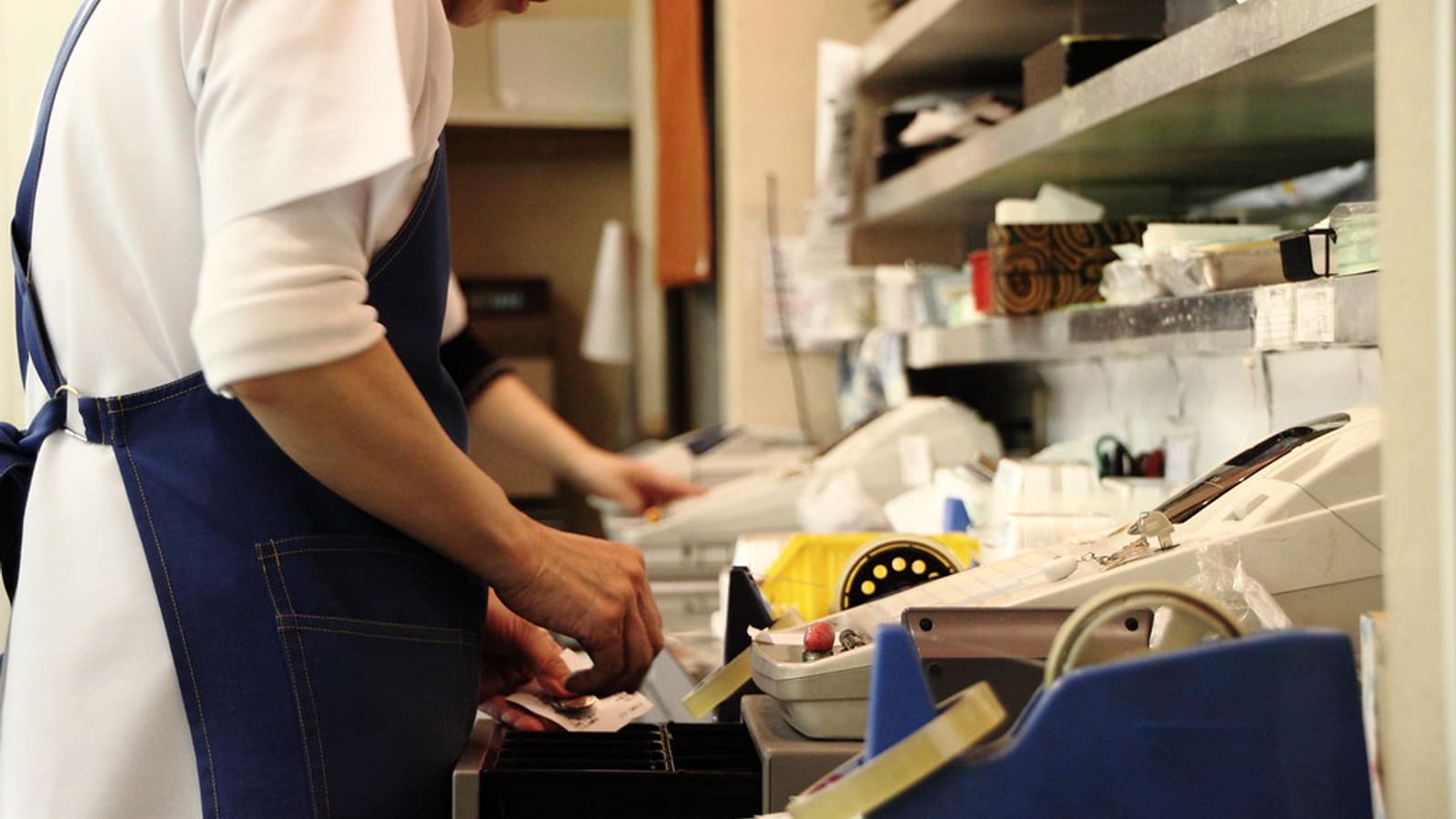
Dependiente cobrando en la caja registradora de una tienda
📷 MIKI Yoshihito. (#mikiyoshihito) · CC BY 2.0 · Flickr
UR

I build websites, custom software, apps and AI automations for businesses.

  • ✓Fixed-price quote
  • ✓Reply within 24h
  • ✓No commitment
Get a free quote→
In this article
  1. What has happened
  2. Why it matters
  3. What it means for a Spanish small business
  4. What you can do now

Spain's tax agency (Agencia Tributaria) has made clear a criterion that affects how you choose your invoicing software: within a single business activity, only one Verifactu mode can be used. You cannot issue some invoices in Verifactu mode and others in non-Verifactu mode depending on the customer or on who issues them. (Verifactu is Spain's new anti-fraud regime for invoicing software.)

What has happened

On 25 October 2026, the outlet Diario Autónomos y Emprendedor published the tax agency's reply to several questions about the regulation on computerised invoicing systems. The criterion appears in reply 149715 of the agency's INFORMA service and is based on a binding ruling from the Directorate-General for Taxes (DGT).

That criterion had been on the cards. In September, SuperContable analysed binding ruling V5073-26, of 25 June 2026, which reaches the same conclusion. In summary:

  • One mode for the whole activity. The choice is not made invoice by invoice, customer by customer or program by program.
  • Having several devices changes nothing. Faced with the example of a pastry shop with Verifactu on one system and a scale without Verifactu on another, the agency's answer was: "No, according to Tributos this cannot be done".
  • If a customer invoices on your behalf, their system must follow the same mode as yours. You can delegate who prepares the invoice, but the responsibility remains yours.
  • Several programs, yes; a mix of modes, no. You can use more than one program, as long as they all work in the same mode.
  • Changing mode has rules. According to Order HAC/1177/2024, as reported by SuperContable, if a system starts working in Verifactu, it must stay that way at least until 31 December of that year.

According to the agency, an earlier frequently asked question that allowed independent systems with different modes predates the binding ruling.
Why it matters

A reminder of the difference: in Verifactu mode, the program sends the tax authority a record of each invoice at the moment it is issued. In non-Verifactu mode, the program stores the records with integrity safeguards and hands them over if the tax authority asks.

Many companies invoice from more than one place: the ERP, the shop till system, the online shop platform or a large customer's portal. If each goes its own way, it is easy to end up mixing modes without realising.

What it means for a Spanish small business

When it applies

The criterion applies once you are required to comply with the regulation. Today the legal dates remain those of Royal Decree-Law 15/2025: 1 January 2027 for corporate income tax payers and 1 July 2027 for everyone else, the self-employed included.

On 5 October the tax authority announced its intention to postpone all outstanding obligations to October 2028, to coincide with mandatory electronic invoicing between businesses. That is a forecast, not a rule: as at 4 November 2026 the postponement has not been published in the BOE (Spain's official gazette). The BOE entry for Royal Decree 1007/2023 still shows Royal Decree-Law 15/2025 as the latest amendment to the dates.

In addition, the Cortes (Spain's parliament) were dissolved on 6 October and there is a general election on 29 November. SuperContable warns that this adds uncertainty: if the change is not approved beforehand, it will depend on a caretaker government or the new one. Until it appears in the BOE, it is wise to work with the 2027 dates and treat 2028 as possible, not certain.

In the meantime you are in a testing period: according to the DGT, a customer issuing Verifactu invoices on your behalf before your date does not bring your obligation forward.

Practical examples

  • Example: a grocery shop invoices at the counter with a till system and issues invoices to restaurants from a desktop program. If the till system works in Verifactu, the desktop program will have to as well.
  • Example: a self-employed haulier lets his main customer generate his invoices from its portal, which runs on Verifactu, and does the rest himself with another program in non-Verifactu mode. When his date arrives, he will have to unify: either everything Verifactu, or everything non-Verifactu.
  • Example: an installation company invoices from its ERP and, for emergencies, from an app on the technicians' mobiles. Both tools must be set to the same mode, and someone must check it.

What is worth reviewing

Question Why it matters
How many places do we issue invoices from? Each one must use the same mode
Does any customer prepare our invoices? Their system must follow our mode
Does our software let us choose the mode? You need to know which one is switched on
Who decides when to change mode? If you switch on Verifactu, you must keep it until the end of the year

What you can do now

  1. Take an inventory of everything that issues invoices: ERP, till system, online shop, apps, spreadsheets with templates and customer portals.
  2. Decide on one mode per activity with your accountant and document it.
  3. Ask each software supplier whether it complies with the regulation and in which mode it will work.
  4. Review the self-billing agreements (where the customer invoices on your behalf) so that their system follows your mode.
  5. Don't wait for the BOE to put your systems in order. Whether the date is 2027 or October 2028 is confirmed, unifying your invoicing also helps with electronic invoicing, which will arrive in any case.

If you have several tools that invoice separately and you want them to work as one, in integrations and APIs we explain how to connect them. And if your current program falls short, in custom software we describe how we design an invoicing system that fits the way you work.

Do you invoice from several places and aren't sure how it will work with Verifactu? Tell us how you do it and we will reply within 24 hours.

Sources

Does Verifactu affect you?FreeCheck in a minute: your deadline and what to do about your invoicing software.
Share itLinkedInWhatsAppX
UR

Written by

Uri Roig

Technical consultant and developer with more than 10 years of programming. I help small businesses grow their revenue with websites, custom software, apps and AI automation, from Matadepera (Barcelona).

+34 662 23 19 83 · WhatsApp

Keep reading

Free quote · reply within 24h

Tell me about your case

Tell us what you need and within 24h you'll have a fixed-price estimate. No commitment.

Step 2 of 2

Your details

By submitting you agree that we may contact you about your request. See privacy.